Global Data Exchanges Advancing Fraud Prevention Across Online Wagering Platforms
Written by Amir Krause · Nov 23, 2026
Global Data Exchanges Advancing Fraud Prevention Across Online Wagering Platforms
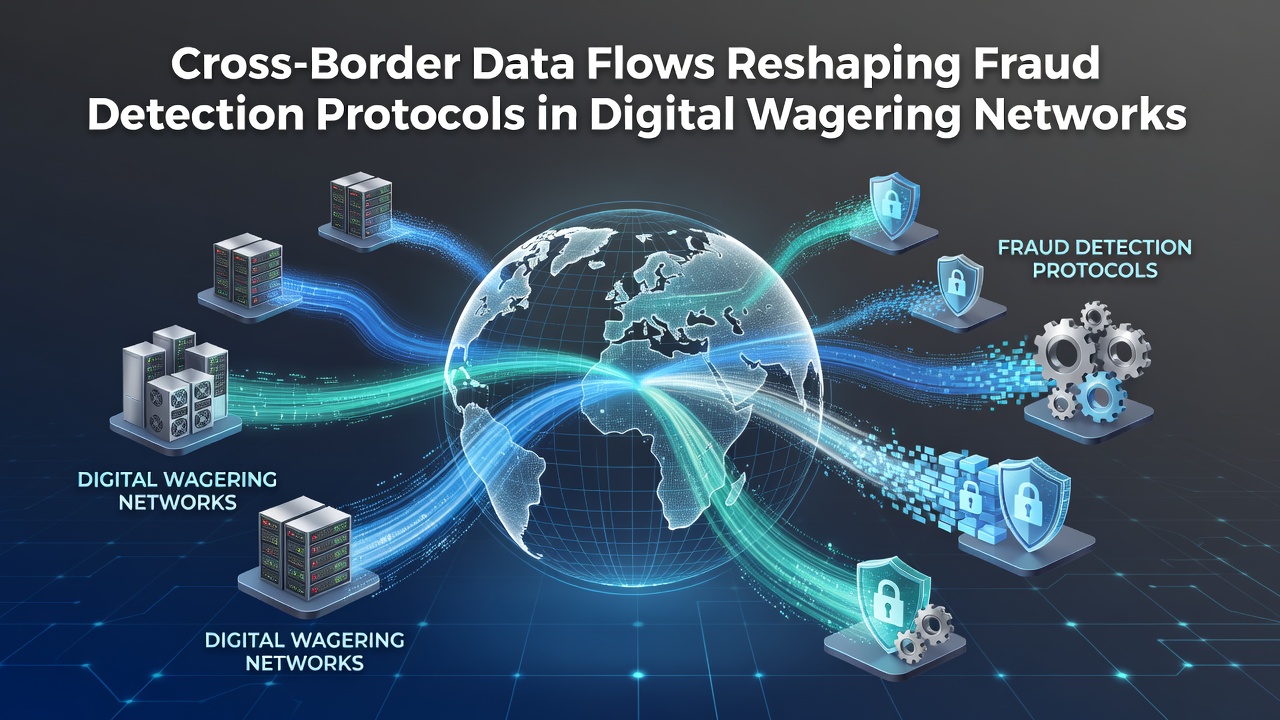
International data movements now connect disparate wagering platforms in ways that allow operators to identify coordinated fraudulent activity spanning multiple jurisdictions, and researchers at institutions studying digital finance have tracked how these exchanges alter traditional detection methods. Platforms exchange transaction patterns, account linkage data, and behavioral signals under frameworks established by various data protection regulations, while compliance teams adjust protocols to handle larger volumes of cross-border information without violating local privacy rules.
Regulatory Frameworks Enabling Structured Data Transfers
Agreements modeled on standards from bodies such as the Financial Action Task Force have created pathways for operators to share indicators of suspicious activity, and data from the Australian Transaction Reports and Analysis Centre shows that coordinated reporting between nations has increased the detection rate of multi-account schemes. Operators in the European Union align transfers with guidelines issued by the European Data Protection Board, whereas counterparts in North America reference rules from the Federal Trade Commission when routing similar datasets, and these alignments reduce duplication in monitoring efforts while maintaining audit trails that regulators can review.
November 2026 marks the scheduled review of several bilateral data-sharing memoranda between major wagering markets in Asia and the Americas, and analysts expect updates that will expand the types of metadata operators may transmit for real-time fraud scoring. Such changes follow earlier pilots where shared velocity checks on deposit patterns flagged accounts attempting rapid fund movements across borders, and industry reports indicate these checks caught attempts that single-jurisdiction systems previously missed.
Technical Adjustments in Detection Protocols
Teams building fraud models now incorporate latency-adjusted timestamps from foreign servers, and machine-learning pipelines normalize currency values and time zones before scoring risk, which produces more consistent alerts across regions. One documented case involved a network of accounts that cycled funds through platforms in three different countries; analysts traced the pattern only after aggregated datasets revealed synchronized login behaviors that individual operators could not see in isolation.
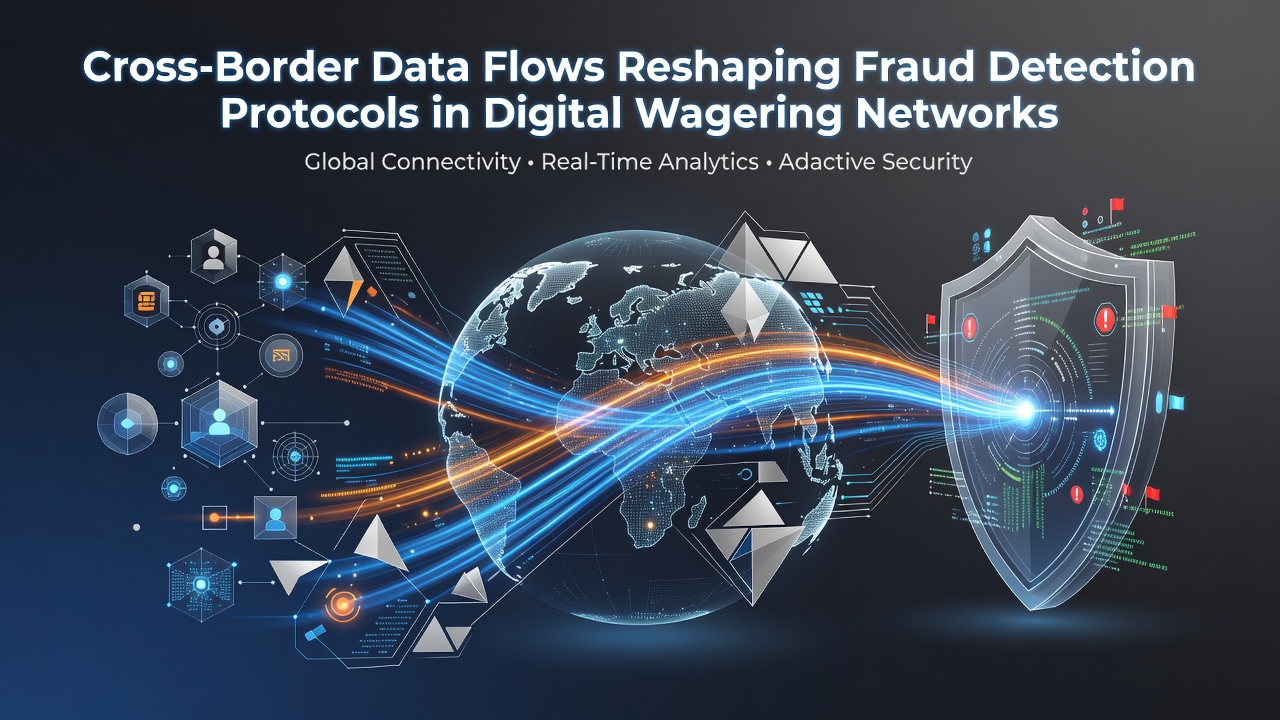
Encryption standards for these transfers have tightened, and vendors supplying secure channels report higher adoption of tokenization techniques that strip personally identifiable information before data leaves the originating jurisdiction. Observers note that this approach satisfies stricter privacy statutes in Canada and Singapore while still supplying enough signal for downstream models to correlate device fingerprints and payment method reuse.
Operational Impacts on Wagering Networks
Compliance departments have reallocated staff hours from manual reviews toward exception handling, because automated systems now surface higher-confidence matches when cross-border signals reinforce one another. A study released by researchers at the University of Sydney documented a measurable drop in false-positive rates after operators integrated regional watchlists supplied through official channels, and the same report highlighted that response times for account freezes shortened when multiple platforms received simultaneous notifications.
Yet challenges remain around data quality and differing definitions of suspicious activity, and working groups convened by international gaming associations continue to refine common taxonomies that reduce translation errors between systems. Platforms that participate in these harmonization efforts report smoother integration of incoming feeds, whereas those that maintain proprietary formats encounter delays during reconciliation steps.
Future Trajectories for Data-Driven Security
Developments scheduled for late 2026 include expanded participation from smaller markets that have recently updated their data-export rules, and early adopters anticipate further gains in identifying mule accounts used to layer illicit proceeds. Continuous testing of federated learning approaches allows models to improve without moving raw transaction records, and initial results from consortium pilots suggest this method preserves privacy while still elevating detection accuracy for complex, multi-jurisdictional schemes.
Conclusion
Cross-border data flows have become integral to the operational fabric of fraud detection in digital wagering, and the ongoing evolution of transfer protocols reflects both regulatory pressures and technical capabilities. As more markets align on standardized exchange formats, operators gain clearer visibility into patterns that previously remained fragmented across borders, and the measurable outcomes include faster identification of coordinated activity along with reduced duplication of investigative work.