Intersections of Instant Payment Systems and Progressive Loyalty Frameworks in Mobile Betting Environments
Written by Iris Simon · Aug 20, 2026
Intersections of Instant Payment Systems and Progressive Loyalty Frameworks in Mobile Betting Environments
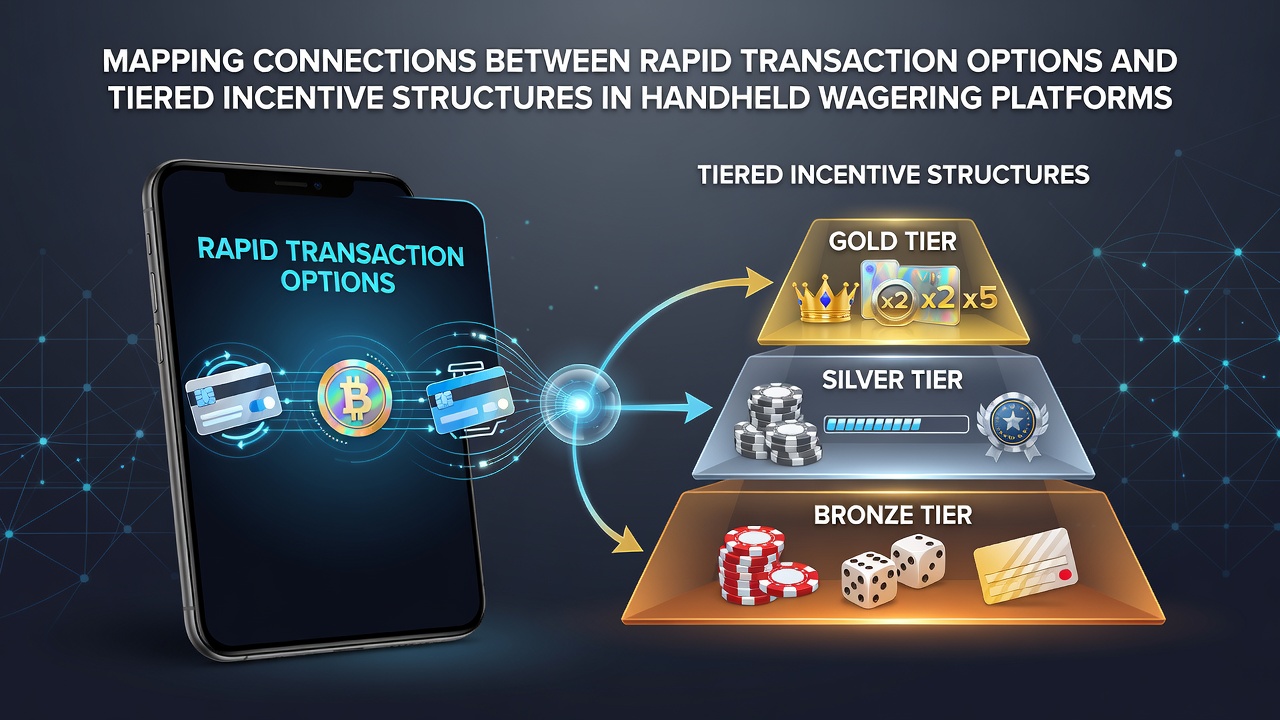
Handheld wagering platforms combine rapid transaction options with tiered incentive structures through integrated backend systems that prioritize processing speeds based on user status levels, and data from industry reports indicate these connections drive measurable differences in user retention across various markets. Observers note that operators deploy instant deposit and withdrawal features which align directly with reward escalators where higher tiers unlock expedited approvals and reduced fees, creating pathways that link financial fluidity to sustained engagement metrics.
Core Components of Rapid Transaction Options
Platforms implement real-time banking integrations via APIs from payment processors that handle deposits in under 30 seconds while withdrawals for verified accounts clear within minutes, and these capabilities extend to cryptocurrency options in jurisdictions where regulations permit such methods. Research from the American Gaming Association highlights how these speeds reduce friction points that previously interrupted play sessions, allowing seamless movement between funding accounts and active bets on slots or sports markets.
Technical Infrastructure Supporting Speed
Developers utilize cloud-based ledgers and automated verification protocols that authenticate transactions through biometric data or token systems, whereas legacy batch processing methods once created delays of several hours. Figures from regulatory filings in Nevada show adoption rates for instant options rising steadily through 2025 with handheld devices accounting for over 70 percent of such activity in monitored markets.
Structure of Tiered Incentive Programs
Tiered systems categorize participants into levels such as bronze, silver, gold, and platinum based on cumulative wagering volume or deposit frequency, and each stage delivers escalating benefits including cashback percentages, exclusive event access, and personalized promotions. Those who have examined platform architectures find that progression mechanics often reset on monthly or quarterly cycles to maintain momentum, while data from academic studies at the University of Nevada Reno demonstrate correlations between tier advancement and increased session durations.
Users at elevated tiers frequently receive dedicated account managers and priority support queues that complement the financial incentives, and this layering encourages consistent activity patterns across mobile interfaces. What's interesting is how operators calibrate thresholds using algorithms that factor in both volume and consistency to prevent churn at intermediate stages.
Mapping Direct Connections Between the Two Elements
Rapid transactions amplify tiered rewards when platforms route higher-status users through dedicated payment rails that bypass standard queues, and this linkage manifests in features like instant bonus releases upon tier upgrades or priority cashouts that preserve momentum during winning streaks. Evidence suggests that integration occurs at the database level where user profiles trigger conditional logic to adjust processing parameters automatically, resulting in differentiated experiences that reinforce loyalty loops.
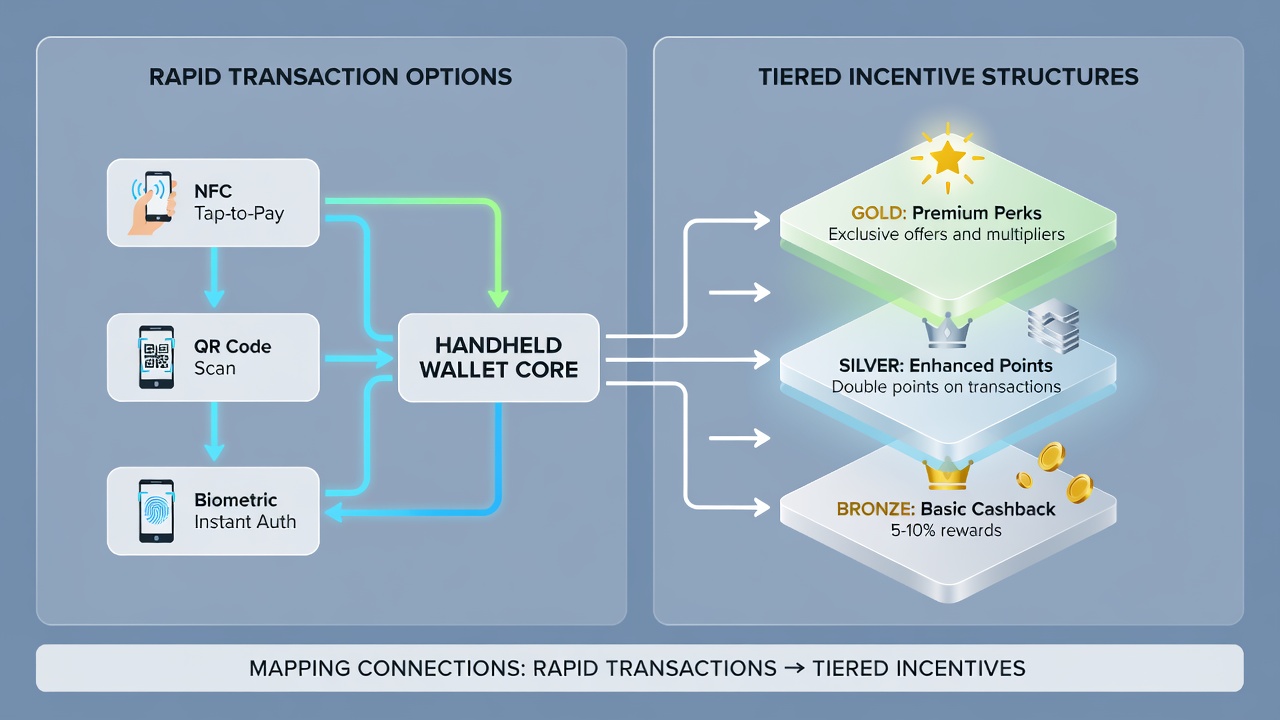
Analysts tracking handheld platforms in August 2026 report that markets with mature instant payout systems show tiered programs achieving 25 percent higher upgrade rates compared to regions relying on traditional settlement times, according to aggregated industry analytics. But here's the thing: these connections also introduce operational complexities around fraud detection since accelerated flows demand enhanced monitoring layers that scale with user volume.
Case Examples from Platform Implementations
One operator in a North American regulated market adjusted its mobile app to grant platinum-tier members zero-fee instant withdrawals while lower tiers encountered standard processing windows, and subsequent metrics revealed elevated deposit frequencies among those advancing through the structure. Similar patterns appear in Australian markets where state-level oversight tracks how reward accelerators tied to banking speed influence overall handle figures reported by licensed entities.
Regulatory and Operational Considerations
Authorities in multiple regions require transparency around how transaction priorities intersect with incentive distributions to ensure fair access, and compliance frameworks often mandate audit trails that document the algorithms governing tier-based accelerations. Industry organizations such as the International Association of Gaming Regulators have compiled guidelines that address these intersections through standardized reporting formats, and platforms adapt their systems accordingly to maintain operational licenses.
Yet integration challenges persist when scaling across devices because handheld environments introduce variables like network latency that can affect perceived speed advantages at different loyalty stages. Researchers continue to examine these dynamics through longitudinal data sets that compare retention curves before and after rapid transaction rollouts paired with tier enhancements.
Conclusion
The documented linkages between rapid transaction capabilities and tiered incentive structures in handheld wagering platforms rest on shared technical foundations that optimize user pathways from funding to reward redemption, and ongoing developments in August 2026 continue to refine these intersections through iterative platform updates. Data from diverse regulatory and academic sources confirm that such alignments produce distinct operational outcomes across global markets while maintaining compliance with jurisdictional standards.