Payment Pathways Enhancing Reward Layers in Mobile Table Gaming and Event Betting Platforms
Written by Sam Koch · Sep 28, 2026
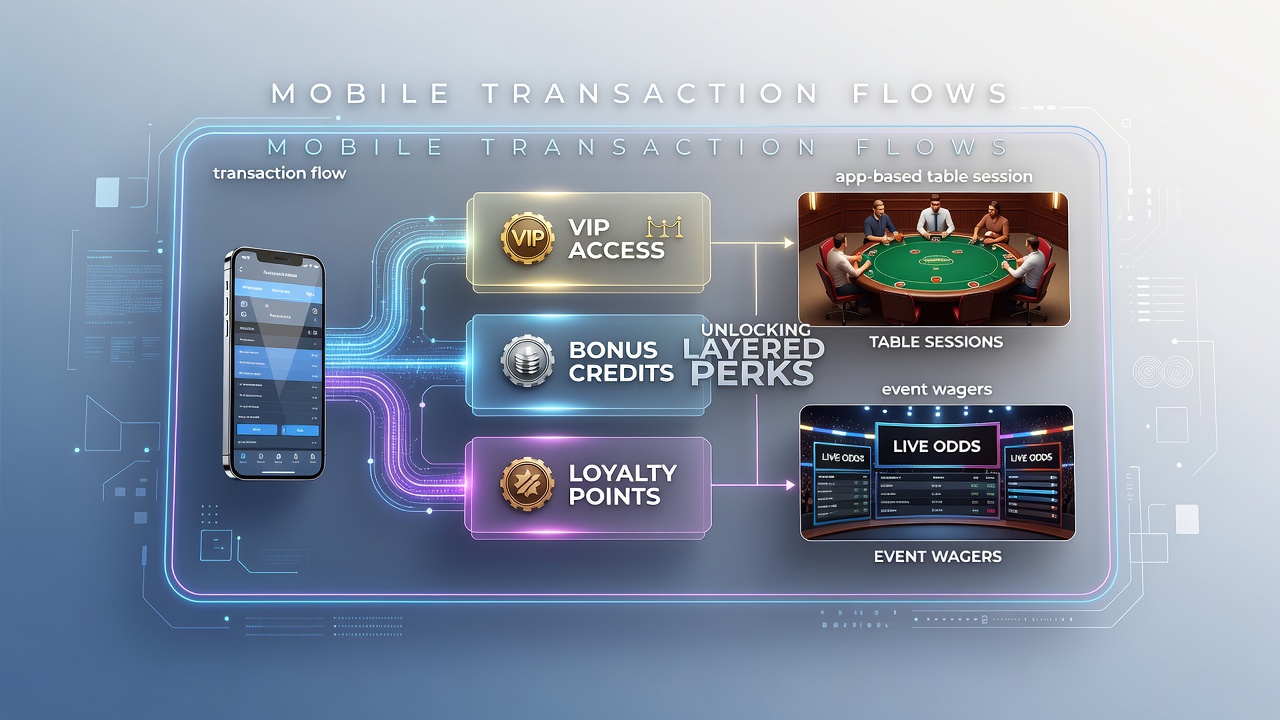
Payment Pathways Enhancing Reward Layers in Mobile Table Gaming and Event Betting Platforms
Digital payment systems now connect directly with app features that manage table sessions and event wagers, allowing transaction data to trigger progressive reward structures without manual intervention. Users complete deposits through integrated wallets or bank links, and those actions register instantly in backend systems that calculate eligibility for tiered benefits such as bonus credits, cashback rates, and access levels to exclusive game variants.
Research from the Nevada Gaming Control Board indicates transaction volumes in mobile platforms rose steadily through 2025, with September 2026 figures showing further acceleration in real-time processing speeds that support layered perk activation during live table rounds and simultaneous event betting windows. These flows rely on API connections between payment processors and loyalty engines, where each deposit amount contributes points that accumulate toward higher status brackets.
Transaction Integration in App Environments
App developers structure payment gateways to handle multiple currencies and methods while embedding tracking codes that monitor spend patterns across table sessions and wager placements. When a player funds an account, the system logs the amount, timing, and frequency, then matches those metrics against predefined thresholds that unlock incremental advantages like reduced rake in poker tables or enhanced odds displays for event markets. Observers note this automation reduces delays that once separated deposit actions from reward delivery, creating continuous engagement loops.
Industry reports highlight how encryption protocols secure these flows, preventing interruptions during high-volume periods such as major sporting events where table play and parlay wagers occur together. Data from the European Gaming and Betting Association shows platforms using these integrated systems report higher retention rates tied directly to visible perk progression on user dashboards.
Layered Perks Activated by Activity Metrics
Perk structures typically divide into base, intermediate, and premium tiers, with each level requiring cumulative transaction values or session counts within defined periods. For table sessions, this might translate to priority seating in virtual dealer rooms or exclusive variant unlocks, while event wagers gain access to boosted payout multipliers once thresholds clear. Systems update these statuses in real time, displaying progress bars that reflect recent deposits and their contribution to the next bracket.
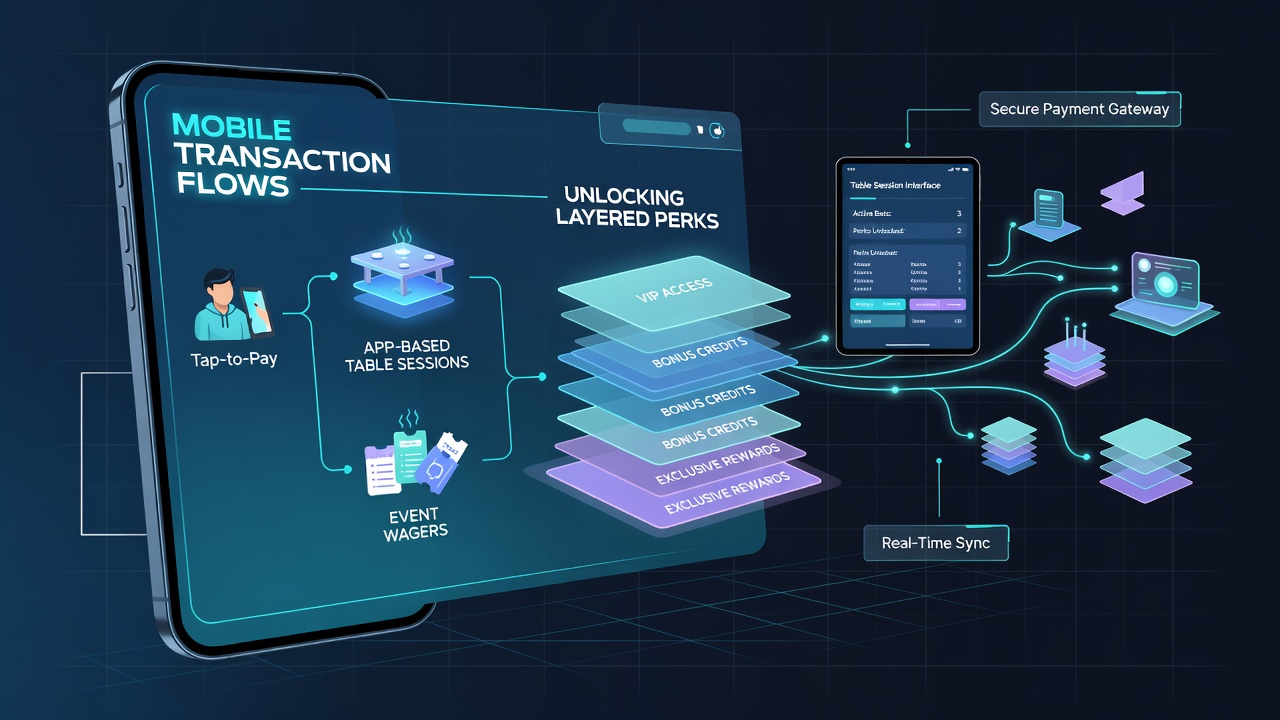
One study from the University of Nevada Reno examined user behavior across several platforms and found that participants who engaged with visible tier progressions completed more transactions per month compared to those without such displays. The research attributes this pattern to the transparency of how payment activity directly feeds reward accumulation rather than opaque bonus systems.
Event Wager Specific Mechanics
Event betting modules within the same apps often sync with table session data, allowing cross-category transaction flows to accelerate perk unlocks. A single deposit can allocate portions toward both live dealer blackjack rounds and upcoming match wagers, with the combined volume pushing users into higher reward categories faster. Processors handle these allocations through segmented ledgers that prevent overlap while maintaining unified loyalty profiles.
According to figures released by the Australian Communications and Media Authority in mid-2026, mobile wagering apps incorporating unified transaction tracking saw measurable increases in average session duration during peak event periods. These integrations also support scheduled payouts that align with tier benefits, such as instant partial withdrawals for premium users without affecting active wager positions.
Security and Compliance Frameworks
Regulatory standards require transaction logs to remain auditable for both payment security and responsible gaming limits. Mobile platforms implement automated checks that flag unusual patterns while still permitting seamless perk activation for compliant activity. This balance allows systems to maintain operational continuity even as reward layers expand based on verified transaction histories.
Conclusion
Mobile transaction architectures continue to evolve in ways that tie payment activity more closely to reward delivery in table sessions and event wagering environments. As processing speeds improve and integration deepens, the connection between deposits, session engagement, and tier progression becomes more direct across platforms. Data from multiple regions supports ongoing adoption of these methods as standard practice in digital gaming applications.