Synergies Between Payment Channels and Loyalty Structures in Handheld Betting Ecosystems
Written by Sam Koch · Aug 27, 2026
Synergies Between Payment Channels and Loyalty Structures in Handheld Betting Ecosystems
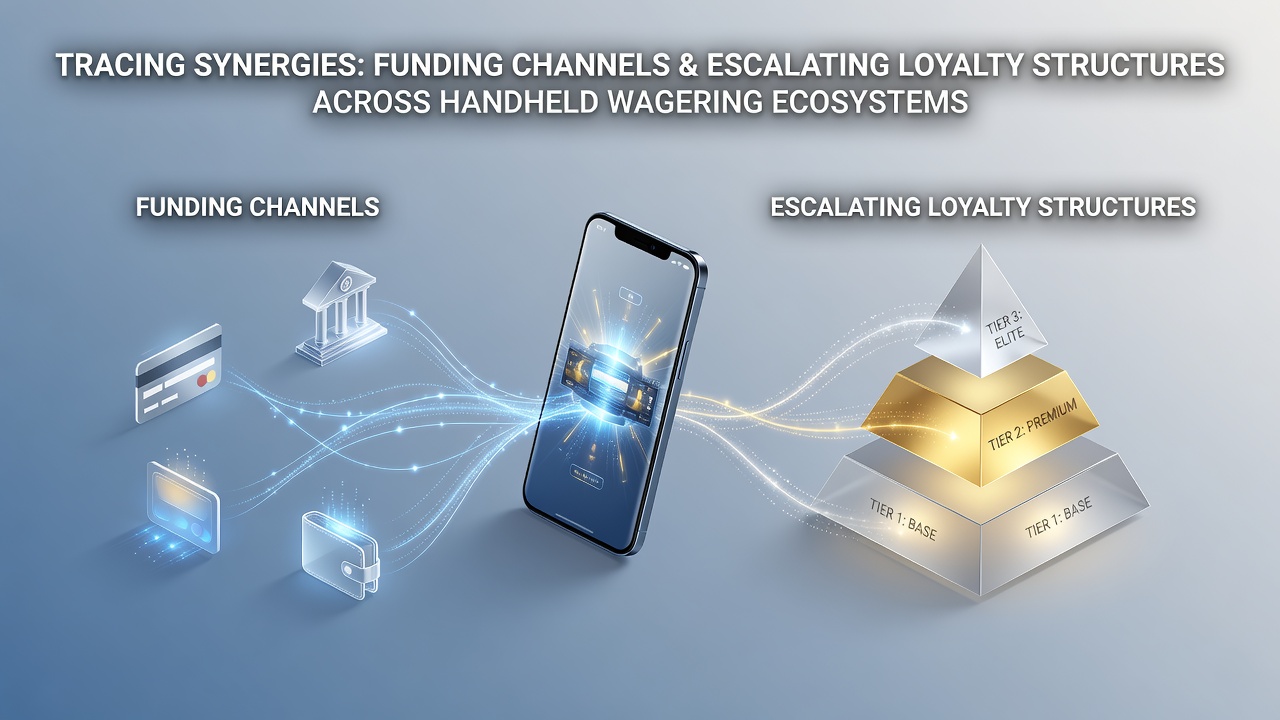
Observers note that handheld wagering platforms continue to evolve through interconnected systems where funding methods directly influence how loyalty programs advance, and data from multiple markets shows these connections drive measurable activity increases across slots, sportsbooks, and live dealer offerings. In August 2026 reports highlighted shifts in how operators link deposit pathways to reward escalations, with patterns emerging in regions outside traditional UK-focused discussions.
Payment Pathways Fueling Platform Activity
Funding channels such as e-wallets, bank transfers, and prepaid cards form the entry points for player engagement, while research from the American Gaming Association indicates that seamless deposit options correlate with higher session frequencies in mobile environments. Those who track these systems find that instant verification processes reduce friction, allowing quicker transitions into gameplay that then feeds into loyalty metrics. And yet the integration goes deeper, as certain payment providers now embed bonus triggers that automatically allocate points upon transaction completion.
Regional Variations in Funding Integration
Analysts examining markets in North America and Asia-Pacific observe that operators adjust payment partnerships based on local regulations, with examples from iGaming Ontario demonstrating how approved processors tie directly into tier advancement algorithms. This setup means a single deposit through a preferred channel can accelerate movement from basic to intermediate loyalty levels, creating a feedback loop where activity volume determines reward access. Data shows these mechanics operate consistently across device types, maintaining parity between handheld and desktop interfaces.
Loyalty Hierarchies and Their Escalation Mechanics
Tiered reward structures operate on accumulated points derived from wagering volume, deposit frequency, and tenure, whereas studies compiled by the Australian Institute of Criminology reveal that players who engage multiple funding methods tend to reach higher tiers faster than those limited to single channels. The progression typically unlocks cashback percentages, exclusive event access, and personalized support, with thresholds calibrated to encourage sustained participation. Observers note that these hierarchies now incorporate real-time tracking dashboards visible on mobile interfaces, giving users immediate visibility into their status.
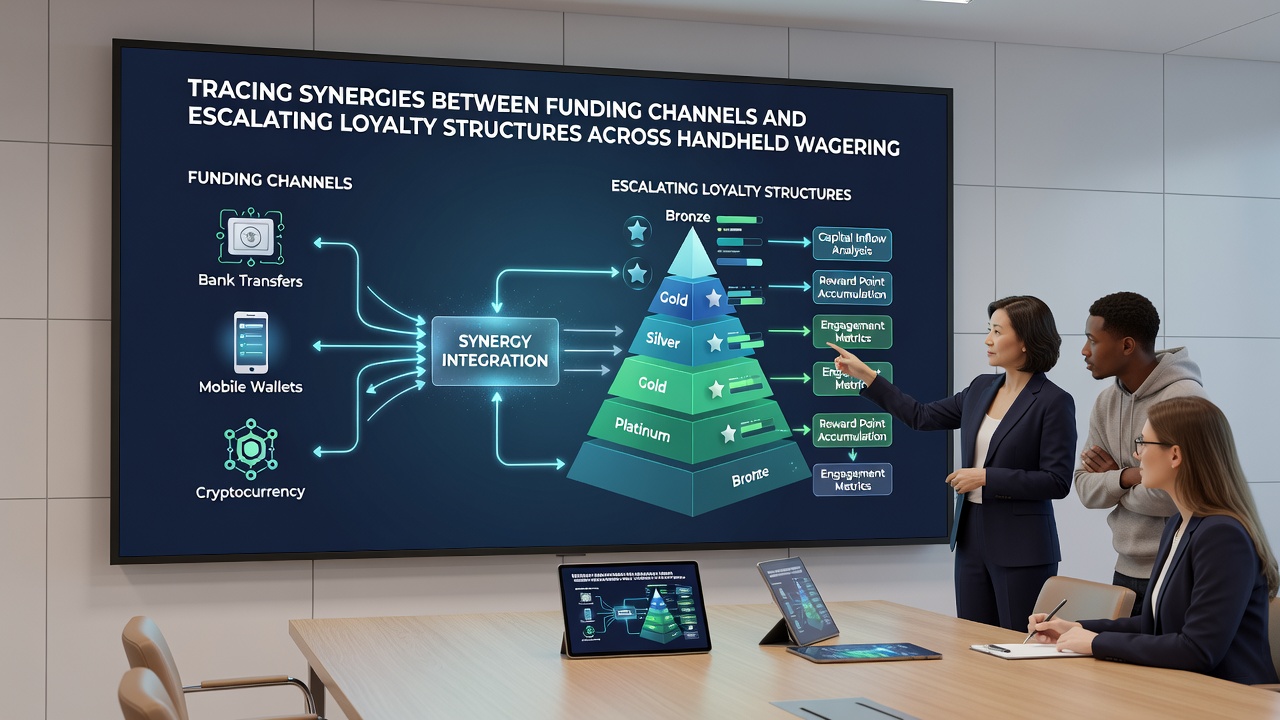
What's interesting is the way operators calibrate these systems to reward diversity in payment selection, since evidence from industry reports suggests that varied funding usage signals deeper engagement and reduces churn rates. In practice this means a player switching between digital wallets and card options might unlock milestone bonuses unavailable through repetitive single-method deposits.
Interconnections and Their Measurable Effects
Experts tracking synergies between these elements point to algorithmic linkages where deposit size and method influence point multipliers applied to loyalty accounts, and figures from the Singapore Gambling Regulatory Authority document how such adjustments affect overall platform retention in regulated environments. The result appears in accelerated tier climbs for users who combine high-frequency small deposits with occasional larger transfers, as the system registers both volume and variety. This dynamic extends to handheld ecosystems specifically because mobile sessions often involve shorter, more frequent interactions that align with instant funding capabilities.
Case Examples from Operational Data
One documented pattern involves operators in Canadian provinces where loyalty platforms automatically adjust reward offers based on the funding channel used for the most recent deposit, creating targeted promotions that pull users toward underutilized payment types. Another instance shows European operators outside the UK implementing cross-channel bonuses, where completing a deposit via a partnered service grants extra loyalty currency valid only for mobile play. These examples illustrate how the synergy operates without requiring manual intervention from players.
Technical Frameworks Supporting the Integration
Backend systems employ API connections between payment gateways and loyalty engines, allowing transaction data to update user profiles in real time, and this architecture supports the scalability needed for growing handheld user bases. Researchers have identified that such frameworks minimize latency during tier updates, ensuring players see progress reflected immediately after deposits clear. The technical setup also accommodates regulatory reporting requirements by logging how specific funding channels contribute to reward distributions.
Conclusion
Patterns across multiple jurisdictions demonstrate that payment channel choices and loyalty structure escalations function as linked components within handheld wagering platforms, with operational data confirming their combined influence on user behavior and platform metrics. Continued monitoring of these interconnections provides insight into how operators refine engagement strategies while adhering to regional oversight frameworks.